
The Five Types of Middle of Funnel Content & How to Make Them
Part three of our content funnel four-part series

Howdy readers!
Last week, we covered the top of the funnel, the dopamine-hit content that stops the scroll and gets attention. This week is about the content that doesn’t feel as much fun to create: the middle of the funnel.
You’ve got followers now. People are engaging with your content. Maybe you’ve even had a few posts go viral. Great.
But attention doesn’t equal sales. Just because someone likes your content doesn’t mean they’ll buy from you (sorry).
You can have the prettiest feed, the most on-brand aesthetic, the most viral moments, but if there’s no substance behind it, you’re just wallpaper. Pretty to look at, but forgettable.
Bring the substance into the middle of the funnel. For many brands, your social profile is your storefront. It’s where people decide if they trust you enough to buy. The middle of the funnel is the consultative content that helps them make that decision.
Middle Of Funnel Is Where Trust Gets Built (And Why It Feels Like Flop Content)
The middle of the funnel is the hardest content to make because it doesn’t give you the dopamine hit.

It won’t go viral like the top of the funnel. It won’t drive immediate sales like the bottom of the funnel. Your engagement might be lower. Your reach might be smaller. It can feel like flop content.
But without it, you’re just entertaining people who will never buy from you.
The middle of the funnel is where the connection is built and trust develops. Where people move from “I follow them” to “I buy from them.”
There are five strategic ways to do this.
The Five Middle of Funnel Lenses
LENS 1: Behind-the-Scenes Authority
Funnel Stage: Middle of Funnel - Connection
Strategic Intent: Build trust through insider knowledge and transparency
Pull back the curtain and show people what really happens in the decision-making process, your product development, and your industry. Not in a “look how amazing we are” way. In a “here’s what you don’t know that changes everything” way.
Story Structure:
Hook: Promises an insider perspective or reveals what really happens behind the scenes
Build: Pulls back the curtain on a process, industry reality, or how you do things differently
Climax: Provides a revelation that shifts the understanding of how things actually work
Resolution: Establishes authority and guides the audience on how to use this knowledge
Example: We are Tala
Activewear Tala pride themselves on being designed by women, for women. So each season drop they take you through the range and show you the meticulous detail, the design features you didn’t know you wanted and build absolute trust and desire for the product.

Why this works: When you show people what happens behind the scenes, the real process, the decisions, the trade-offs, you build trust through transparency. You’re not hiding anything. You’re showing them the level of detail, care and knowledge that you have of both the industry, the product and what they would want before even realising it.
Before we get to the next two, here’s how to understand the difference between your customer’s problem or symptom.
Symptom: I have a headache
Problem: I cannot function with this headache
Mistake: I have coffee instead of water
Desire: Get rid of headache
Solution: Drink water.
Ok lets move on.
LENS 2: Problem Evolution Stories
Funnel Stage: Middle of Funnel - Connection
Strategic Intent: Move audience from surface symptoms to deeper understanding
Take the problem they think they have and show them what it actually is. Not to make them feel stupid, but to help them understand why their current solutions aren’t working.
Story Structure:
Hook: Acknowledges a surface-level problem or a desire the audience currently experiences
Build: Guides journey from surface issue to underlying root cause or real need
Climax: Reveals the actual problem or shows why surface solutions don’t work
Climax: Creates a moment where aspiration feels achievable or relatable to the audience
Resolution: Reframes their approach or understanding of what they really need
Example: Voomie Supplements
A focus supplement created by a woman who struggled with ADHD and after negative experiences with medication, created a natural supplement to support.
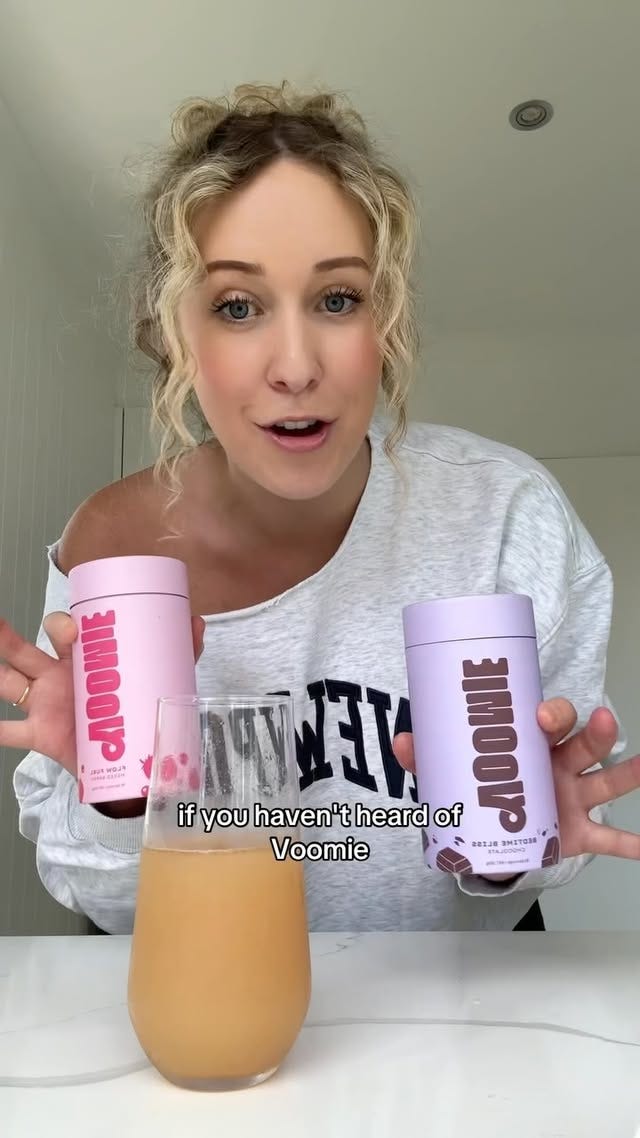
Why this works: Most people are solving for symptoms, not root causes. When you help them understand the real problem, you position yourself as someone who gets it on a deeper level than everyone else, trying to sell them surface solutions.
LENS 3: Mistake Call-Out Stories
Funnel Stage: Middle of Funnel - Connection
Strategic Intent: Create urgency by highlighting costly errors
Point out the specific mistakes your audience is making and what it’s costing them. Not to shame them, but to create urgency around fixing it.
Story Structure:
Hook: Identifies a specific mistake or wrong approach the audience is likely taking
Build: Demonstrates the cost, consequences, or impact of continuing with this mistake
Climax: Reveals what they should be doing instead, or why the current approach fails
Resolution: Provides clear direction for correcting the mistake
Example: Clutch Glue
Clutch Glue is an Australian invention that allows you to clutch yourself into your clothing and hold tight until you want to take it off. For years fashion tape was the only solution for women until Clutch created a better solution. This example shows calling out the mistake women make using the wrong products and how Clutch works.
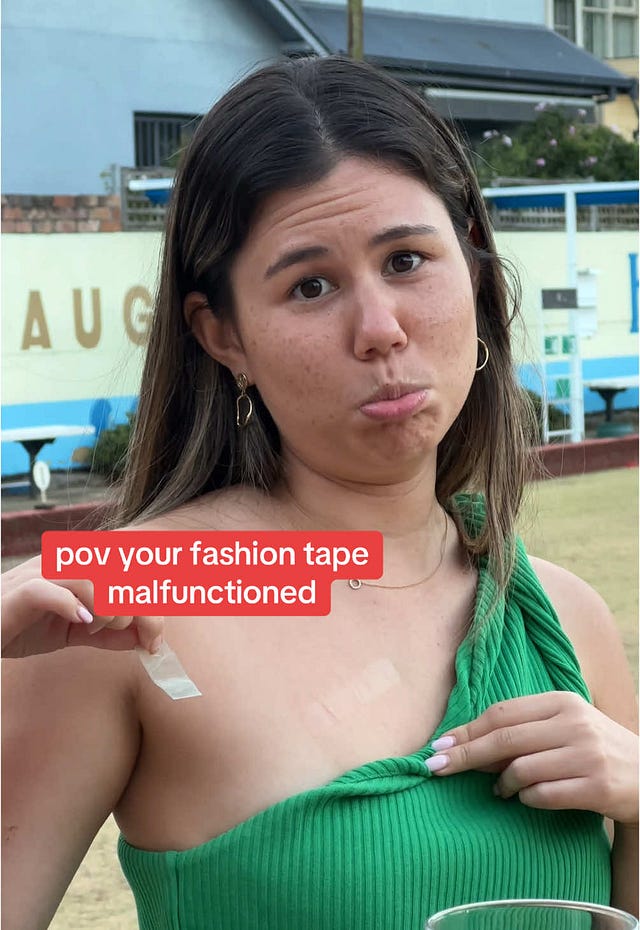
 Tiktok failed to load.
Enable 3rd party cookies or use another browser
Why this works: When you call out a specific mistake and show them the cost of continuing, you create urgency. They realise they can’t keep doing what they’re doing. You’ve made the status quo uncomfortable.
LENS 4: Expertise & Insider Knowledge
Funnel Stage: Middle of Funnel - Connection
Strategic Intent: Build trust through experience and insider perspective
Share the knowledge that comes from actually doing the work. The insights you’ve learnt from experience that change how people should think about the problem.
Story Structure:
Hook: Shares unique insight or insider perspective on common issue
Build: Explains why conventional approaches miss the mark or fall short
Climax: Provides expert solution or reveals professional approach
Resolution: Shows how audience can apply this thinking to their situation
Example: Mingle Seasoning
An Australian seasoning brand that has taken households by storm, taking your favourite seasonings like taco seasoning and making it cleaner ingredients. In this example Mingle show a customer what’s actually in their taco seasoning that they didn’t realise.
 Tiktok failed to load.
Enable 3rd party cookies or use another browser
Why this works: When you share knowledge that only comes from real experience, you separate yourself from everyone else talking about the topic. You’re not repeating what everyone says, you’re sharing what you’ve actually learned from doing the research or experiencing it yourself.
LENS 5: Community Wisdom Stories
Funnel Stage: Middle of Funnel - Connection
Strategic Intent: Build belonging through shared experiences
Show your audience they’re part of something bigger. That other people are going through the same thing, learning the same lessons, and figuring it out together.
Story Structure:
Hook: References collective experience or community knowledge
Build: Develops narrative around shared journey or common insights
Climax: Reveals wisdom that comes from group experience or community learning
Resolution: Invites audience to join or participate in community
Example: Kic App
Australian health app Kic leads the way in community storytelling and building. For their campaigns they invite users of the platform to their shoots to share their stories, why exercise is important to them and show the community others can be part of when joining the Kic ecosystem.

Why this works: People want to belong. When you show them there’s a community of people like them who are on the same journey, you create connection. They’re not alone in this, and you’re the one bringing these people together.
Mixing Your Middle of Funnel Lenses
Like top of funnel, you don’t need to use all five lenses equally. Some might work for your brand and industry better than others.
If you’re building trust fast: Heavy on Behind-the-Scenes Authority and Mistake Call-Outs (especially on TikTok!)
If you’re educating your market: Heavy on Problem Evolution Stories and Authority/Expertise Sharing
If you’re building community: Heavy on Community Wisdom Stories and Behind-the-Scenes Authority
For a general rule of thumb:
30% Problem Evolution Stories
25% Authority/Expertise Sharing
20% Mistake Call-Outs
15% Behind-the-Scenes Authority (unless you’re a Founder building in public, dial this one up!)
10% Community Wisdom Stories (dial this up the more you get those goldmine stories)
Pay attention to what your audience responds to. If they engage more with your mistake call-outs than your behind-the-scenes content, lean into what’s working.
Your Middle of Funnel Action Plan
This week, audit your content from the last month:
How much of it was middle of funnel vs top of funnel?
Are you building trust or just chasing viral moments?
Which middle of funnel lens have you not used yet? Or which do you do too much of?
Then create three middle of funnel posts using lenses you don’t normally use.
Remember: 30% of your content should be middle of funnel.
This is where attention turns into trust, and trust is what drives sales.
What’s Next
You’ve stopped the scroll with top of funnel. You’ve built trust with middle of funnel. Now people know you, they trust you, and they’re paying attention.
But knowing you and trusting you doesn’t automatically mean they buy from you.
Most brands struggle with this final stage because they don’t know how to convert without being pushy. They either avoid selling altogether or they go full sales pitch and lose all the trust they just built.
Next week: bottom of funnel content. How to drive conversion through transformation stories without losing the relationship you’ve built.
See you next week.
Or if you want to talk through your content, grab time in my cal:
Until next week,
Keep telling good stories
KJ